So, your child has decided they want to try metal detecting.
Maybe they’ve watched you detecting. Maybe they’ve seen someone uncover a Roman coin on YouTube. Or perhaps they’ve simply decided that digging holes in the garden in search of treasure sounds like the best possible Saturday afternoon.
Whatever started it, you’ve probably now discovered that choosing a metal detector is far more complicated than you expected. There are hundreds of machines available, prices range from under £50 to well over £1,000, and unless you are a detectorist yourself you are suddenly being asked to understand things like target ID, discrimination, frequencies, coils and ground balance.
Don’t worry. Choosing a detector for a child doesn’t need to be complicated. The most important things to consider are:
- Their age and height
- The weight of the detector
- How easy it is to use
- Where they will be detecting
- Whether they’re just trying the hobby or already hooked
- Whether the detector will grow with them
And perhaps most importantly, you want a detector that actually finds things. Because there’s nothing quite like that first proper signal, digging down and discovering that the detector was right.
⚠️ Don’t fall into the cheap metal detector trap
You may have seen children’s metal detectors online for £30, £40 or £50. Some look incredibly impressive: colourful screens, lots of buttons and claims about detecting deep underground. But be careful.
There are many very cheap, generic detectors available online, often manufactured in China and sold under different brand names. We’re not saying that everything manufactured in China is bad — that’s far too simplistic. The problem is the very cheap, generic detectors where performance, build quality, reliability and after sales support can be questionable.
A detector that produces inconsistent signals, struggles to identify targets or simply doesn’t perform properly can leave a child thinking “metal detecting is boring” when the real problem was the detector.
Think of it this way: £50 detector + child gets frustrated + detector ends up in the cupboard = £50 wasted. £150–£250 genuine beginner detector + child enjoys it + detector can be used for years = potentially much better value.
And if you’re not sure whether they’re going to take to the hobby, buying a good used detector or hiring one can also be worth considering.
Which metal detector should I buy for my child?
The easiest way to approach it is by age.
| Age | What we’d recommend | What to look for |
|---|---|---|
| 3–5 | Keep it simple and supervised | Very lightweight, short stem, simple controls |
| 5–7 | Entry level children’s detector | Lightweight, easy controls, genuine detecting performance |
| 7–10 | Children’s or lightweight adult detector | More features, better depth and target identification |
| 10–13 | Entry level adult detector | More advanced controls and room to develop |
| 13+ | Adult beginner detector | Performance, features and long term value |
| Any age: already hooked | Buy for their ability, not their age | A detector they won’t quickly outgrow |
These aren’t hard and fast rules. Children vary hugely in height, strength, patience and interest, so age should be a guide rather than the deciding factor.
Ages 3–5: Keep it light and simple
At this age, the biggest challenge isn’t finding the best technology. It’s finding a detector they can comfortably hold and swing. A heavy detector can quickly become tiring, particularly for younger children. If they’re struggling to keep the coil at the right height or constantly asking Mum or Dad to carry it, the fun can disappear pretty quickly.
For children this young, think lightweight, simple and short enough to use comfortably. You will also probably be doing most of the digging, helping them interpret signals and keeping the adventure moving.
Our advice: don’t worry about buying a detector with dozens of settings. At this age, the excitement is the beep and the find. A simple machine that gives them genuine signals is likely to create a much better experience than a complicated detector they don’t understand.
Parent tip: hide a few coins in the garden before their first outing. Let them experience finding something straight away. That first successful find can be enough to turn “Can we go metal detecting?” into “WHEN ARE WE GOING AGAIN?”
Ages 5–7: The sweet spot for a first detector
This is where many children really start to get the hang of metal detecting. They’re more likely to be able to swing a detector properly, understand that different signals can mean different things and, most importantly, start doing some of the detecting themselves.
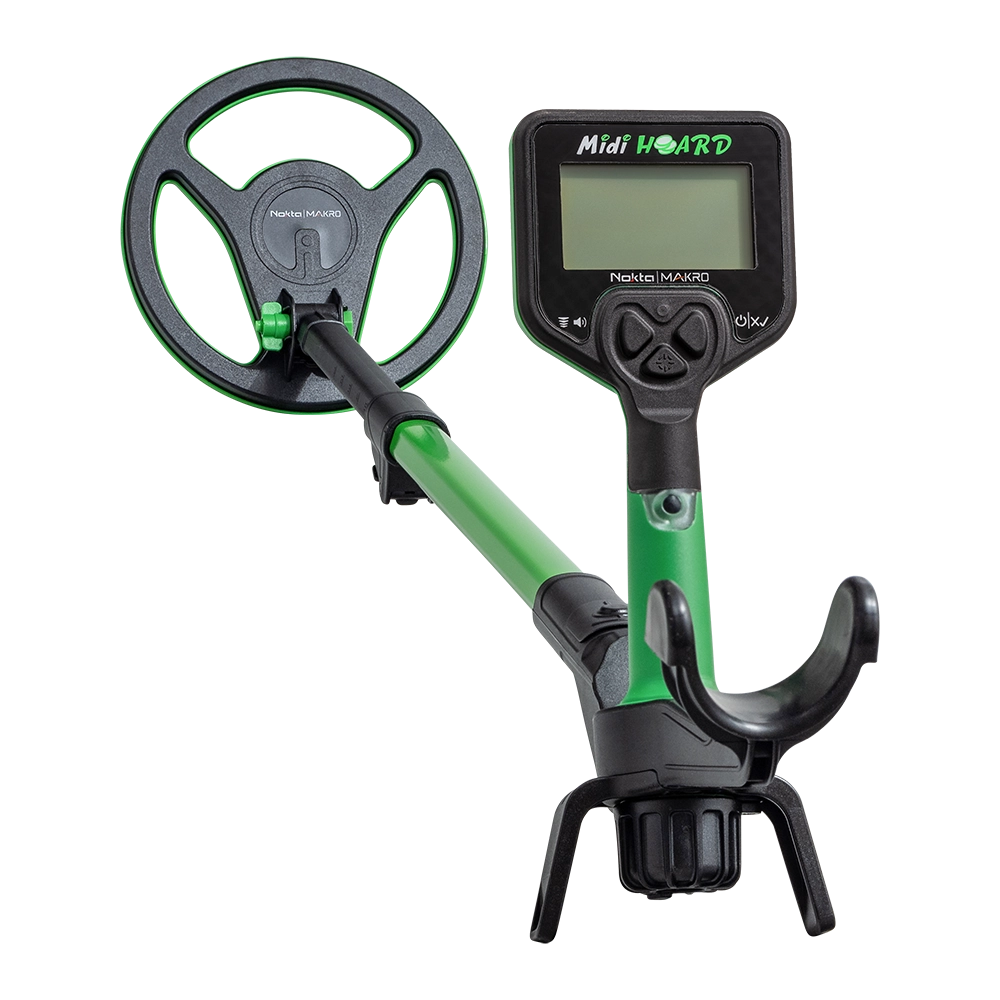
A dedicated children’s detector can be a great option here. The Garrett Children’s Ace 200i for example, has a shortened junior stem designed specifically for younger users. It weighs around 1.15kg and comes with headphones and a coil cover.
What should you look for?
At this age, we’d look for:
• A comfortable weight so they can detect without tiring
• An adjustable length so the detector can grow with them
• Simple controls that don’t overwhelm them
• Clear audio to help them learn to listen to signals
• A reputable manufacturer with proper support and guidance
• Something robust enough to cope with enthusiastic use
And don’t underestimate the importance of proper headphones. Kids don’t always appreciate just how much information their ears can get from a detector. Learning to listen to signals is part of becoming a detectorist.
Ages 7–10: Beyond a “kids’ detector”
A keen 8 or 9 year old can potentially handle a detector that would have been too complicated or heavy a few years earlier. If they’re only interested in having a bit of fun in the garden, a simple children’s detector may still be perfect. But if they’re asking “Can I come detecting with you?” every weekend, it might make more sense to invest in something they’ll be able to use for several years.
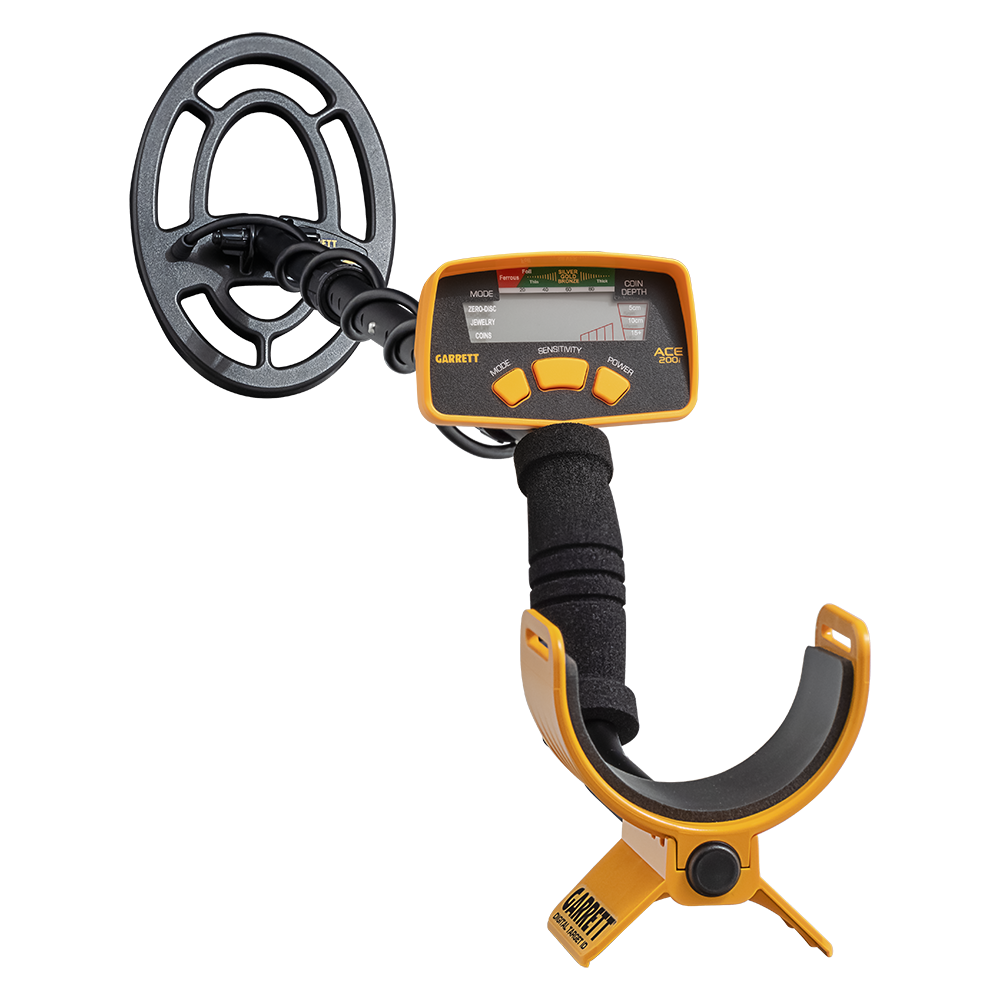
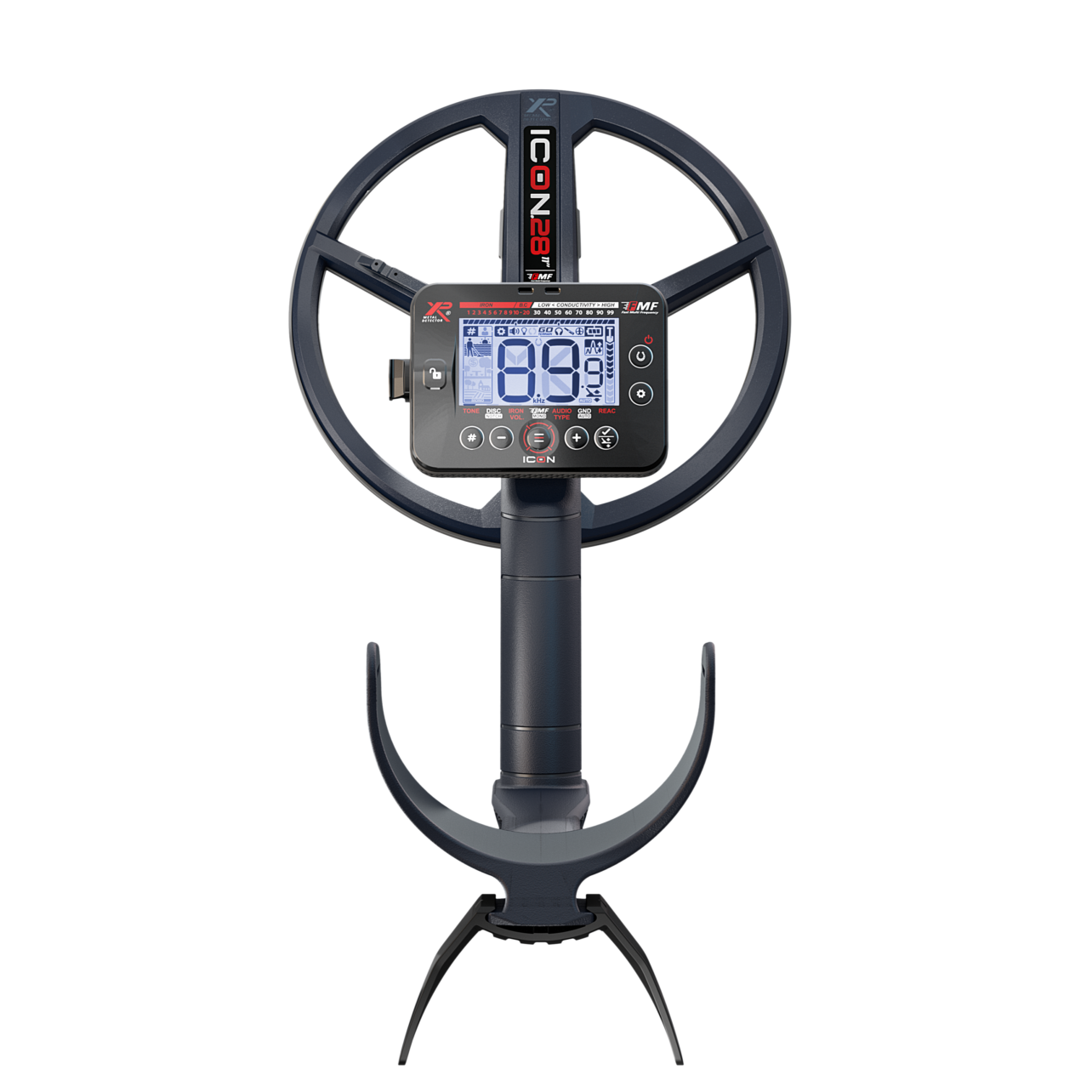
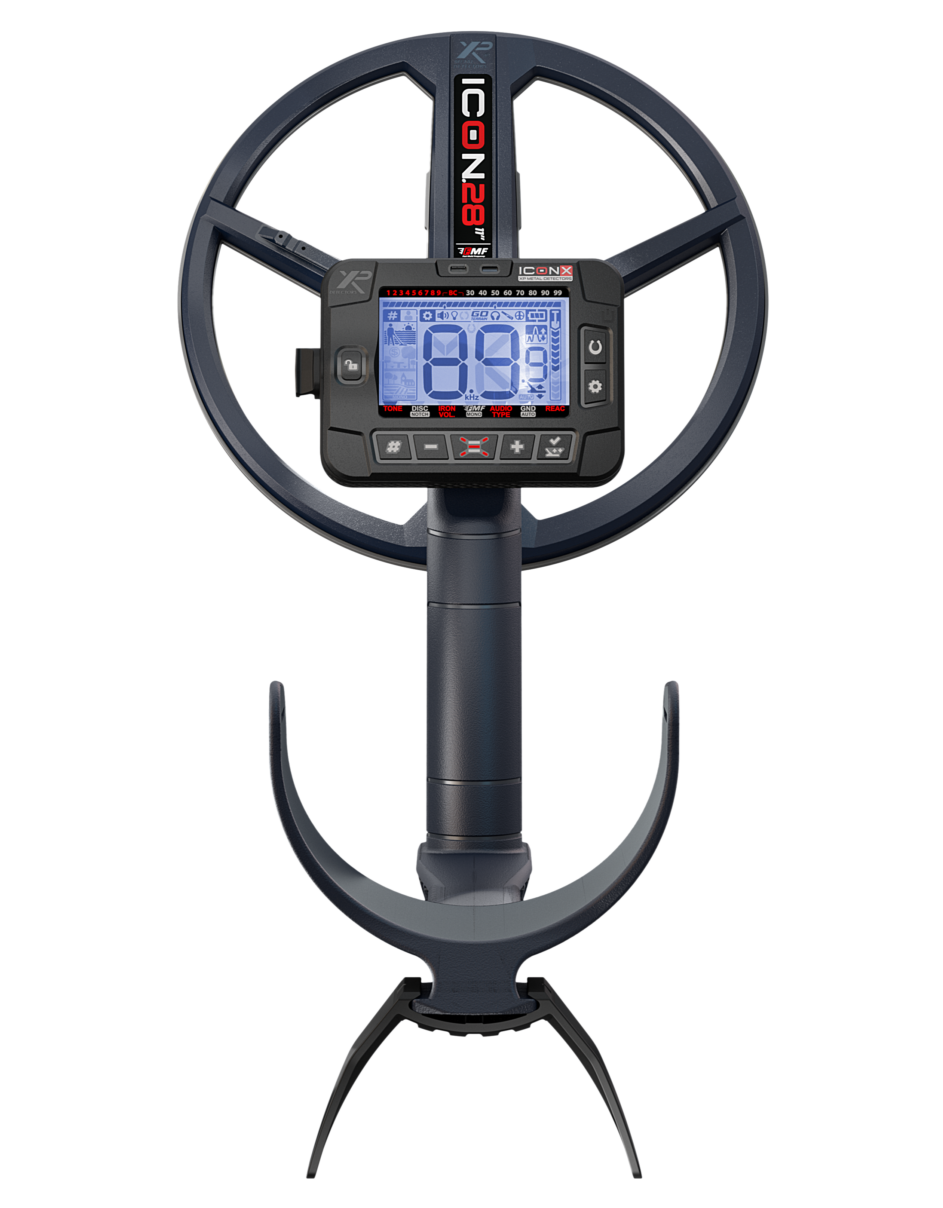
This is where it’s worth starting to look at entry level adult detectors. Models such as the, XP ICON, Garrett ACE 200i and Minelab Vanquish 360 offer lots of features and room to develop, while still being relatively straightforward for a young detectorist to learn.
The Garrett ACE 200i weighs 1.25kg and includes features such as Digital Target ID, discrimination and multiple search modes. The Vanquish 340 is another lightweight option, using Minelab’s Multi IQ technology to help detect across different ground conditions.
The XP ICON Beach detecting bundle is a great offer to get your youngster started out with a few basics for their kit oncluding a bag, trowel and sand scoop.
This is the stage where we’d start thinking less about “What’s the cheapest detector I can buy?” and more about “What detector will they still enjoy using in two or three years?”
Ages 10–13: They’re becoming a detectorist
By this age, many children can comfortably use an adult entry level detector. If they’re already hooked on the hobby, this is also where spending a little more can make sense. They’re likely to start appreciating features such as:
• Target ID
• Different search modes
• Adjustable sensitivity
• Discrimination
• Pinpointing
• Greater depth
• Waterproofing
• Different coils
They’re also beginning to understand why a detector is behaving in a certain way, rather than simply reacting to a beep. That means you don’t necessarily need to buy a detector specifically marketed at children. If they can comfortably handle the weight and length, a good adult detector can be a much better long term investment.
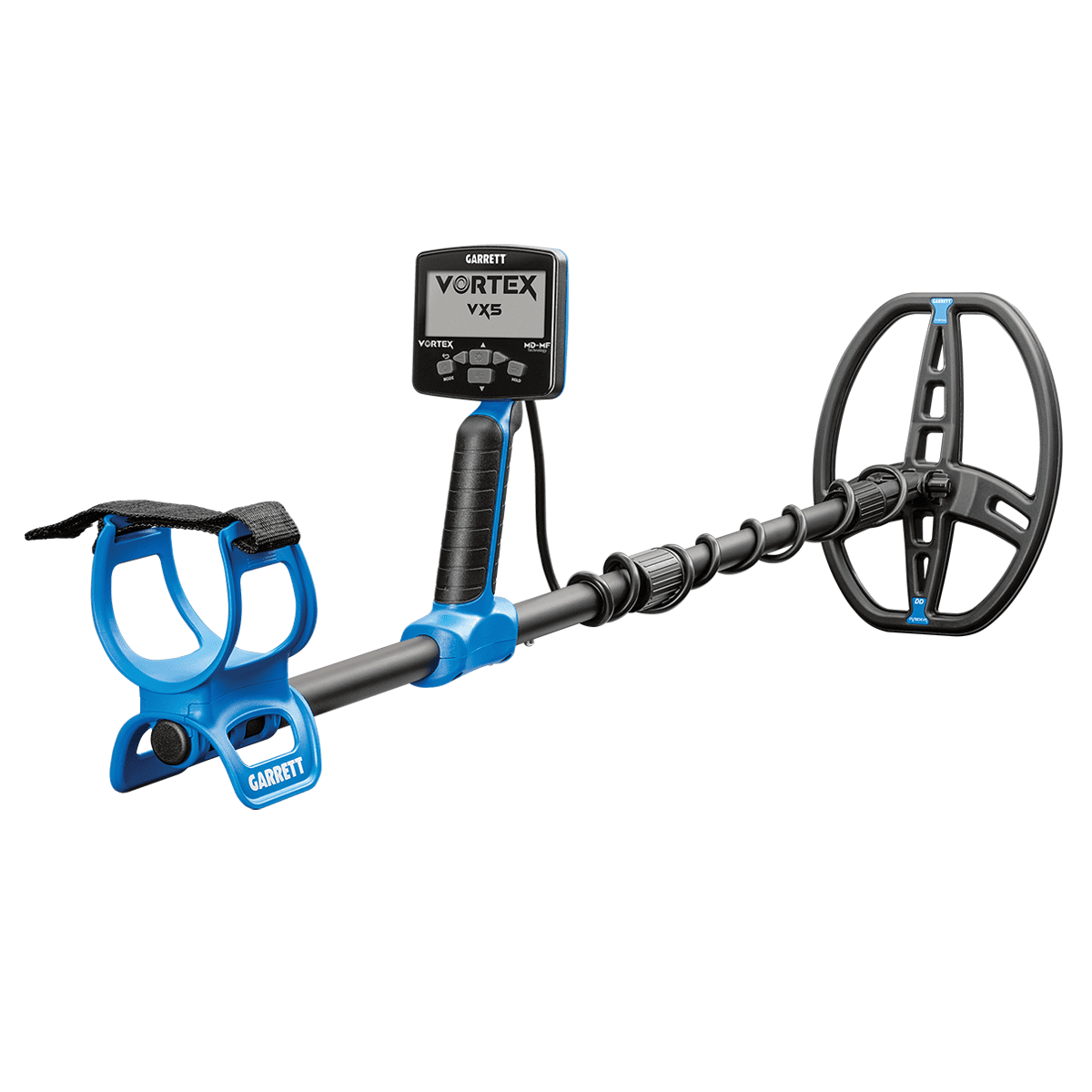
There are plenty of options at this level, including the Minelab VANQUISH 460, Minelab X TERRA Elite and the Garrett Vortex. The important thing is to choose a detector that gives them room to develop as their confidence and understanding of the hobby grows.
For a young detectorist who is becoming more serious about the hobby, we’d look for something that can grow with them rather than needing to be replaced as their skills improve.
Ages 13+: Buy for the detectorist, not the age
By their teenage years, age becomes much less important when choosing a metal detector. If they’re tall enough and comfortable using a full sized detector, there’s no reason they need a machine specifically designed for children.
At this point, we’d recommend choosing a detector in much the same way you would for an adult beginner. Think about where they’ll be detecting, their budget, which features matter to them and how seriously they’re taking the hobby.
There are plenty of detectors that could suit a teenager who is ready to take the hobby further, including the Minelab X TERRA PRO, XP ICON-X, Nokta Simplex ULTRA and Nokta Triple Score. The right choice will depend on the individual detectorist and what they want to get from their machine.
What if my child gets REALLY into metal detecting?
You don’t necessarily have to buy the cheapest machine possible just because it’s their first one. If your child is already showing a genuine interest, buying a quality beginner detector can actually save money in the long run. They can learn on it, improve their skills and continue using it as they get older.
The Garrett Vortex is a particularly interesting example because the detector can be upgraded through software rather than necessarily replacing the entire machine. In other words, their first detector doesn’t have to be their last detector.
Real parents, real kids, real detecting
Meet some of the next generation of young detectorists. Find out their age, what kit they use, how old they were when they first picked up a metal detector, and the advice their parents would give to other families thinking about getting into metal detecting.
Bradley and Oliver
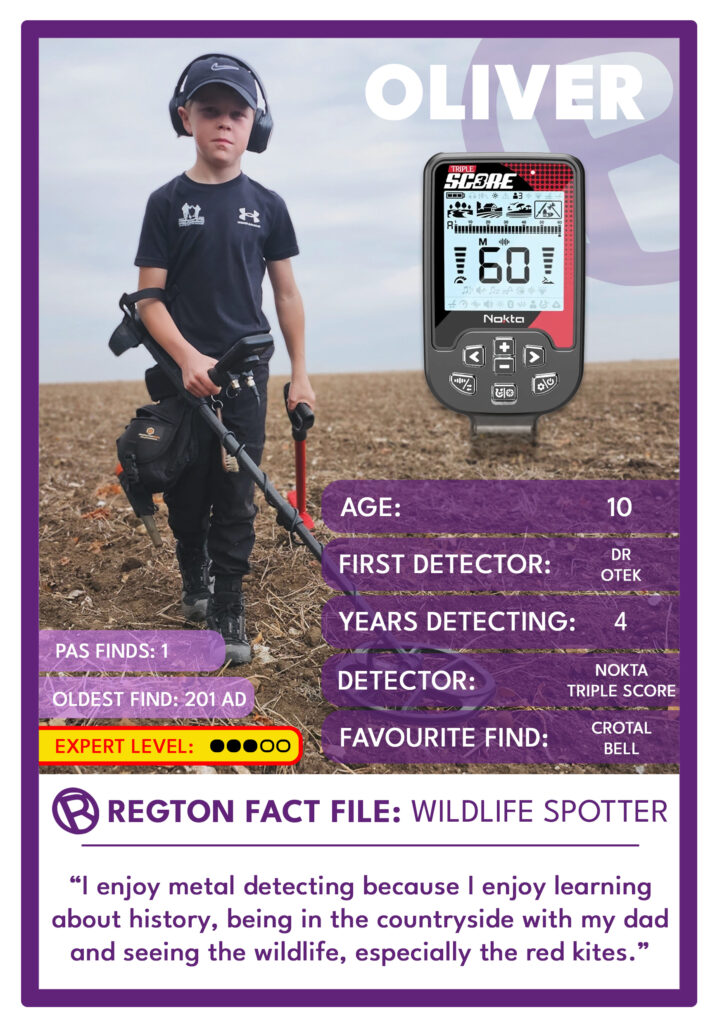
Child’s Name: Oliver
Child’s Age: 10
Child’s Current Detector: Nokta Triple Score
What Oliver enjoys:
Learning about history, being outdoors with his dad and spotting wildlife, especially red kites.
His journey:
Oliver grew up watching his dad, Bradley, metal detect and picked up his first detector at six. By eight, he was keen to choose his next machine, so Bradley encouraged him to research the Nokta range himself. Oliver watched YouTube videos, compared the different models and chose the Nokta Triple Score.
Bradley’s advice for parents:
Get your child involved in the process. Let them research the different detectors, watch videos and help decide which machine is right for them. Giving them a say in their kit can make them feel more involved in the hobby and excited about getting out there and using it.
Terry & Mini Tezza
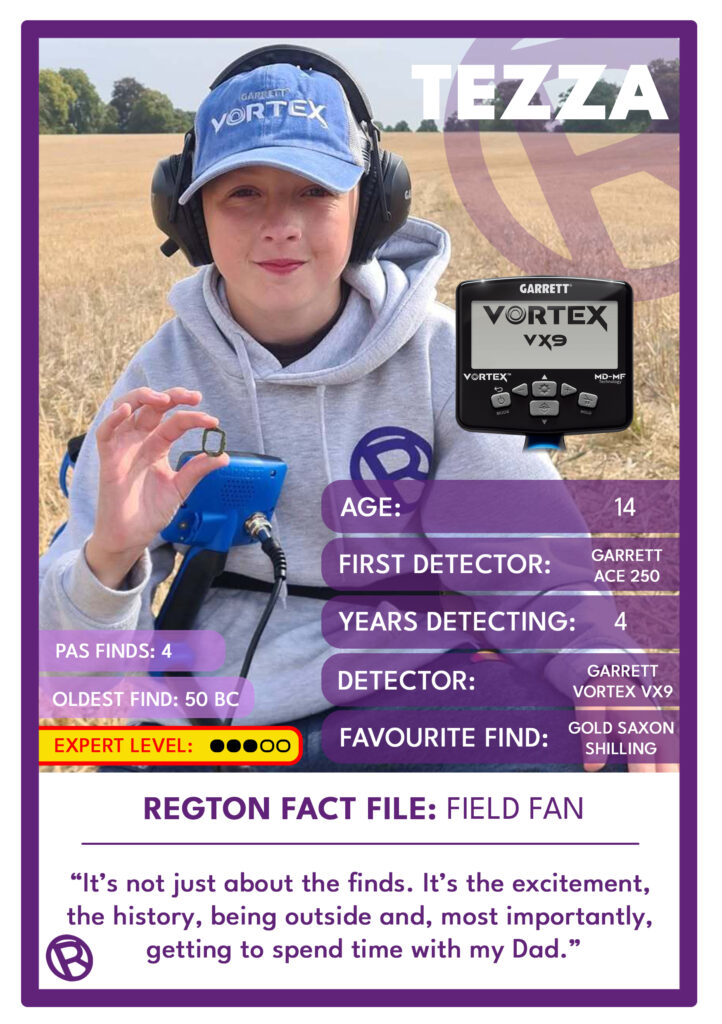
Child’s Name: Tezza
Child’s Age: 14
Child’s Current Detector: Garrett ACE Apex or Garrett Vortex VX9
What Mini Tezza enjoys:
He particularly enjoys detecting in fields, where he can search for Roman, medieval and other historical finds. But for Tezza, it’s not just about the finds. Some of his favourite detecting days are spent out in the field with his dad, having lunch, chatting and enjoying the day together.
His journey:
Mini Tezza started metal detecting with his dad at 10 and quickly became hooked on the excitement of never knowing what he might find. He started with a Garrett ACE 250 before moving on to the ACE 400i and now uses the Garrett ACE Apex. He particularly enjoys finding historical artefacts in fields, with a tiny Roman fibula and gold Saxon shilling among his favourite finds.
Terry’s advice for parents:
Get children involved in the whole experience. Show them the finds, talk about where they came from and encourage them to research what they have discovered. As they become more confident, they can start learning about their detector’s settings and how to get the most from it.
I’d recommend starting with a Garrett ACE because they’re simple and easy to use. When Mini Tezza started, he just wanted to switch it on and find things.
Chris & Rhun
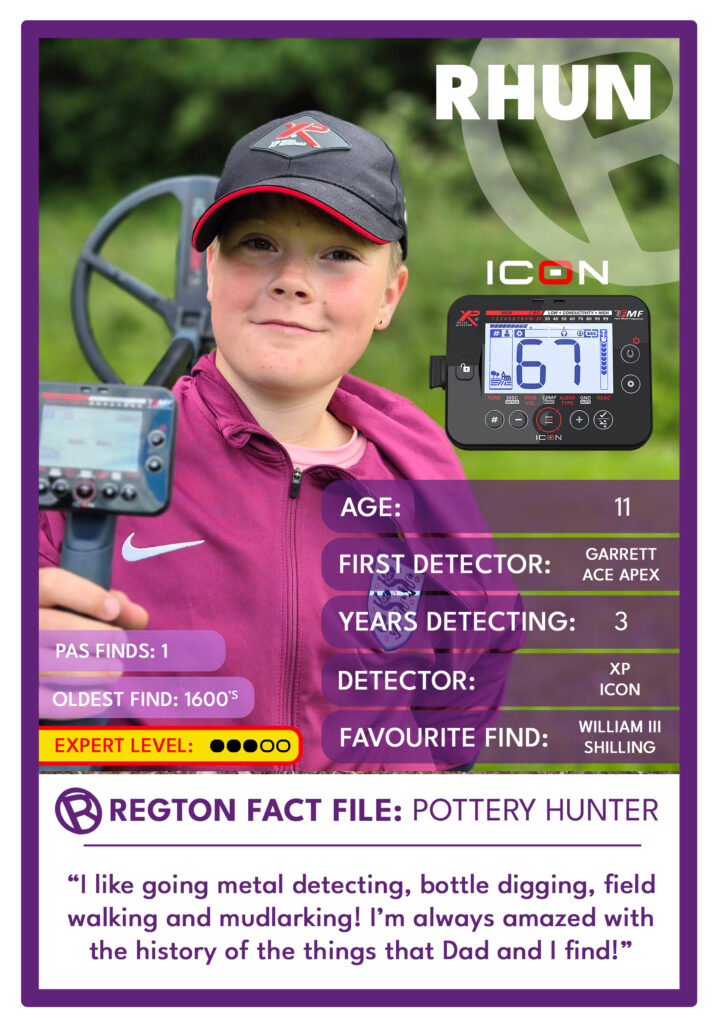
Child’s Name: Rhun
Child’s Age: 11
Child’s Current Detector: XP ICON
What Rhun enjoys:
He is always amazed with the history behind the things that he and his dad find.
His journey:
Rhun grew up watching his dad, Chris, metal detecting and naturally wanted to get involved himself. He started out with the Garrett range and detected with a Garrett for several years. Since moving to the XP Icon, Rhun has really enjoyed its lightweight design and simple, easy to use interface, making it a great detector for getting out and enjoying time on the field.
Chris’ advice for parents:
Start slow, keep it simple and have fun. Look for a beginner friendly detector that can be adjusted to suit a smaller user, so they can use it comfortably as they grow.
Make sure your children understand the importance of respecting the countryside and detecting responsibly. The Portable Antiquities Scheme’s introduction to metal detecting is a useful place to start, covering the basics of responsible detecting and recording finds.
Most importantly, be patient, enjoy the time spent outdoors together and encourage them to record the interesting things they discover along the way.